

The uranium darling that became the ASX's most shorted stock
Lotus Resources has climbed to the unenviable position of the most heavily shorted stock on the ASX. Short interest in the uranium developer has surged to 22.84%, a sharp increase from its 90-day average of 11.10%. This rapid accumulation of short positions has occurred alongside a severe 64.85% collapse in the company's share price over the past three months.
The negative correlation between the rising short interest and the falling share price sits at -0.532 over the last 30 days. While the uranium sector average short position sits at a modest 7.87%, Lotus has become a major target for short sellers who are betting against its restart plans in Malawi. This marks a sharp turn in sentiment for a stock that had previously enjoyed strong retail backing during the broader uranium bull run of late 2025.
Fire, halts, and the April stumble at Kayelekera
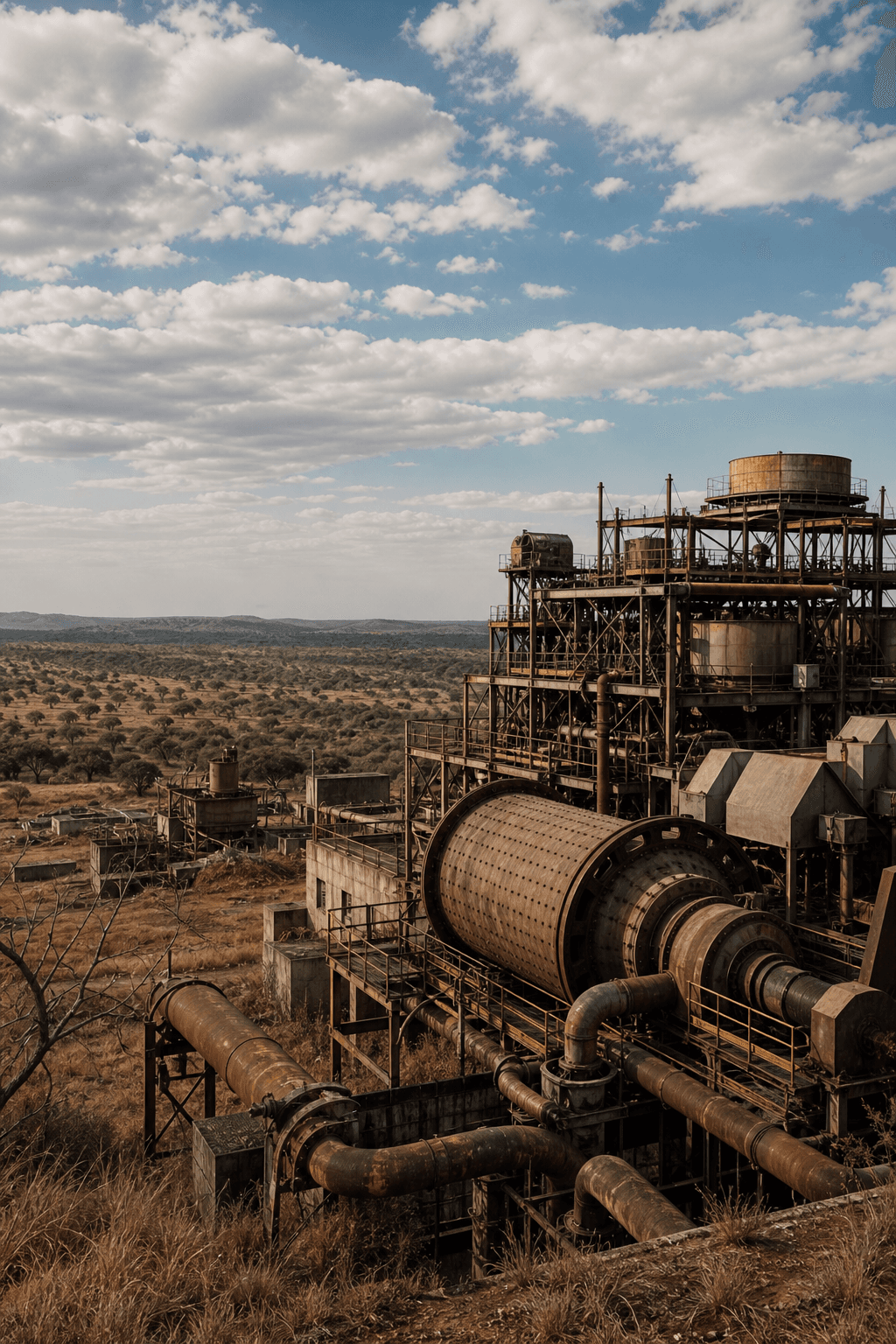
The operational narrative began to unravel in early April, exposing the vulnerability of the company's single-asset focus. On 9 April 2026, a fire broke out at the Kayelekera uranium project, causing significant damage and forcing a temporary production halt 12. The market's initial reaction was cautious, but the real damage to investor confidence became clear later in the month as the full operational downtime was digested.
On 30 April 2026, Lotus released a quarterly update that disappointed the market, causing the share price to plunge 22% in a single day 3. The update triggered an intense debate regarding the company's reporting transparency and whether the timeline for the Kayelekera restart remained realistic 4. By early May, analysts were questioning if the weakness in Lotus was isolated or a sign of a cooling global uranium sector 56. What was once promoted as a near-term production story was suddenly re-evaluated as a high-risk restart project.

The fire-induced halt came at a critical time when the company was trying to demonstrate readiness 7. The subsequent compliance updates failed to soothe a nervous market 7, and the debate quickly shifted from when the project would start to how much the delay would cost in terms of unfulfilled offtake agreements.
What was once promoted as a near-term production story was suddenly re-evaluated as a high-risk restart project.
Capital raises and the director buys that didn't hold
The operational setbacks followed closely on the heels of major financial decisions. On 4 February 2026, Lotus launched a major A$76 million share placement to fund its ongoing development work 8. The dilutive capital raise put immediate downward pressure on the stock, setting a lower baseline for the share price. This pressure intensified on 18 March 2026, when the company reported widening half-year losses and continued to lag behind the All Ordinaries index 109.
In an attempt to restore market confidence and halt the slide, directors M Bowen, S Hay, and G Bittar stepped in to purchase shares on the open market around 10 March 2026 111213. Despite these insider purchases, the buying support was quickly overwhelmed by the aggressive short campaign that followed the April fire.
The widening losses reported in March 9 highlighted the high cash-burn rate of a developer in the pre-production phase. The A$76 million placement in February 8 was intended to provide a comfortable runway, but the subsequent fire and production halt 2 raised fears that the company might need to return to the market sooner than expected, further diluting existing shareholders.
- 2026-02-04A$76M placement launched[ref-8]
- 2026-03-10Directors execute on-market buys[ref-11]
- 2026-03-18Widening half-year losses reported[ref-10]
- 2026-04-09Kayelekera fire forces production halt[ref-1]
- 2026-04-30Share price plunges 22% on quarterly update[ref-3]
The mechanics of the short build
The short data shows an unusually consistent story. With a short slope of 0.43% per day over the past week and 0.28% over the past 30 days, the build-up has been steady and deliberate. The 22.84% short position represents a 90-day change of 11.74%, peaking at its current high. This is not a short position built on a single day's news. It is a systematic accumulation that has tracked the share price down to $0.58.

While the stock has recorded impressive gains over a 12-month window of 205.3%, the medium-term trend has been entirely captured by the shorts. The ASIC T+4 reporting delay means the current figures represent the state of play from four days ago, suggesting the real-time short position could be even higher if the trend has persisted.