
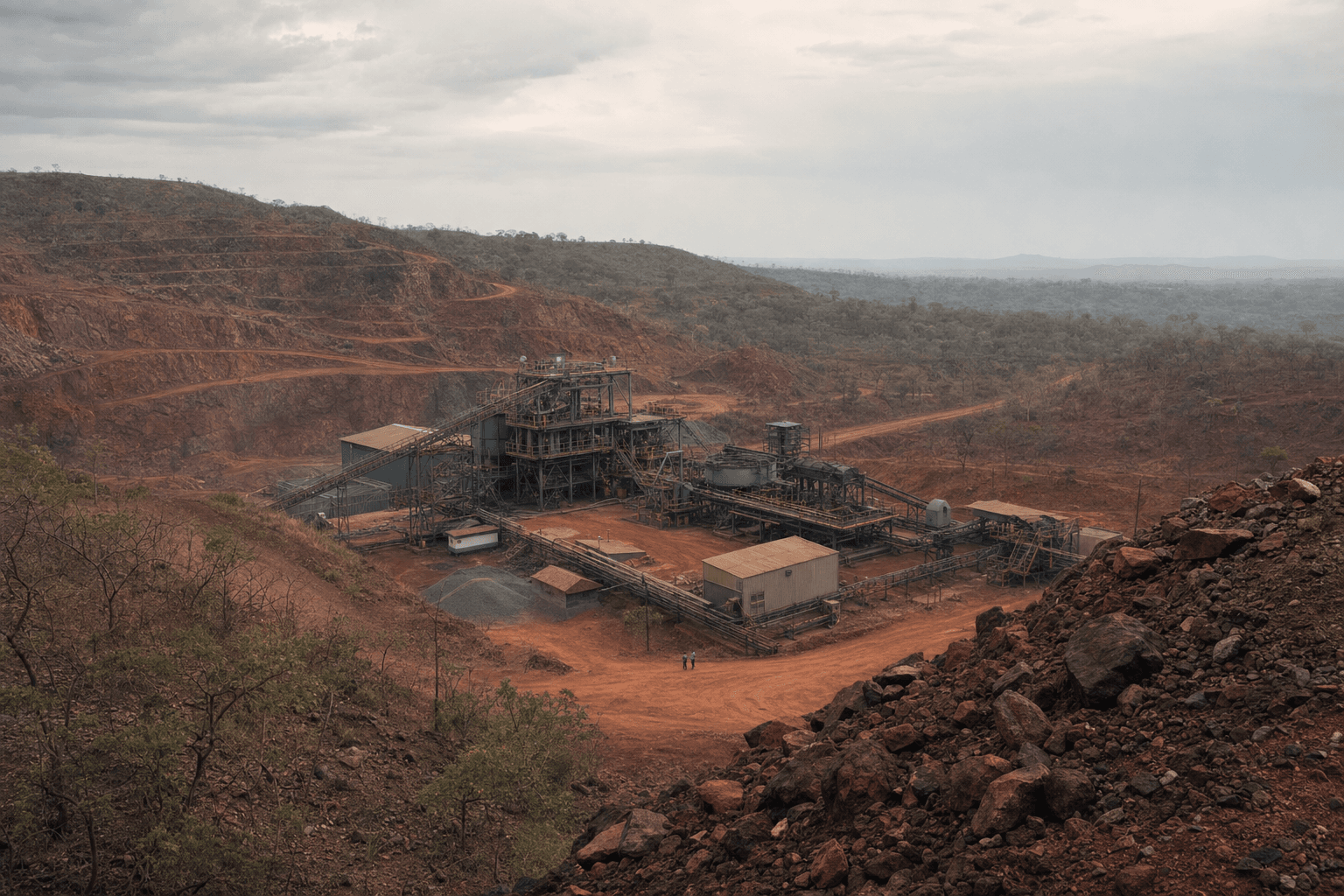
A rapid accumulation of short interest
Short sellers have targeted Lotus Resources with unusual intensity, driving the uranium developer's short interest to 19.87%. This represents a major escalation from its 90-day average of 10.51% and positions the company well above the peer sector average short position of 7.80%. The rapid accumulation of short positions has tracked a brutal 74.0% collapse in the company's share price over the past three months, landing the stock at A$0.52.
The relationship between the falling equity and rising short interest is exceptionally tight. The 30-day price-to-shorts correlation sits at -0.690, illustrating a deliberate, methodical campaign by short sellers rather than a sudden, speculative spike. This steady build-up peaked recently at a 90-day high of 20.93%, cementing Lotus as one of the most heavily shorted stocks on the ASX. Lotus has repeatedly tapped the market for cash, launching a A$110 million placement in October 2024 1 before returning for another A$76 million in February 2026 2. This constant dilution has tested investor patience as the short position marched upward.
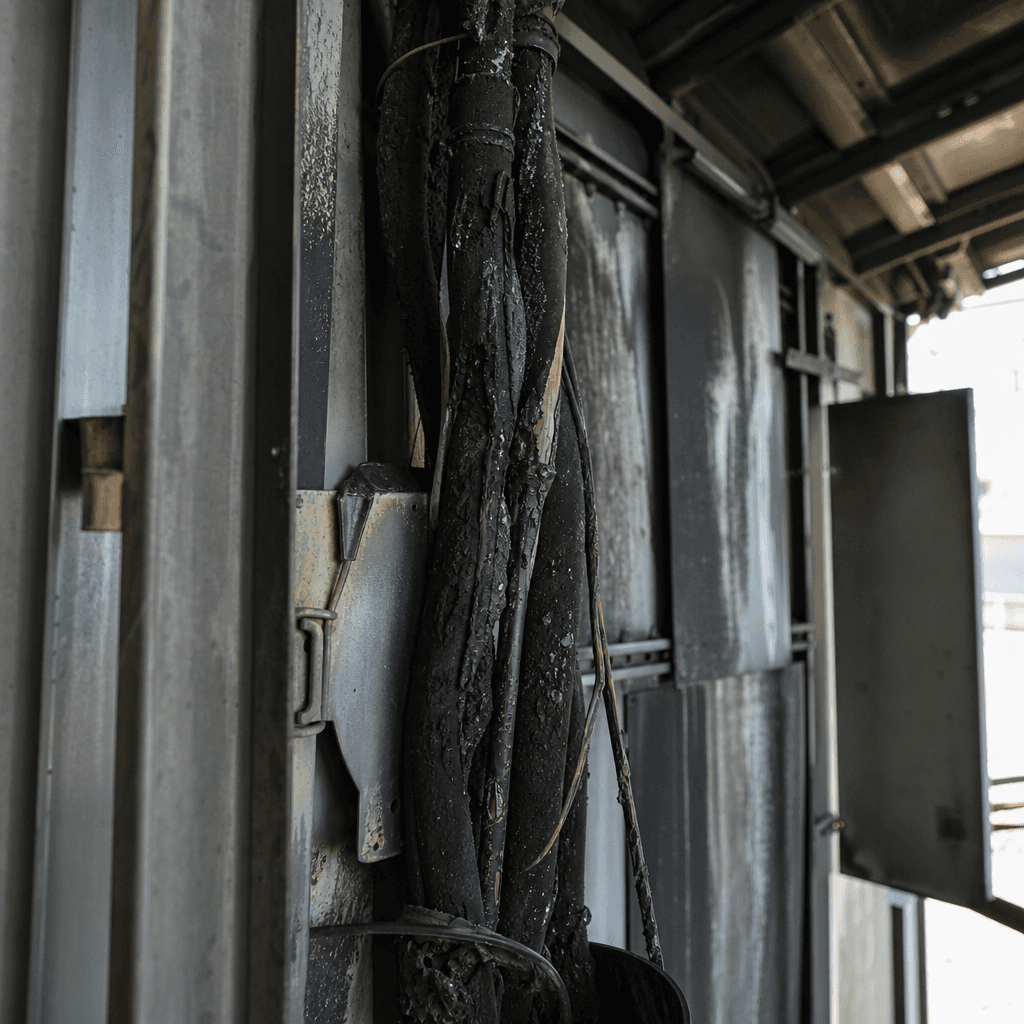
Kayelekera fire halts the restart timeline
The catalyst for this aggressive short positioning lies in the operational setbacks at Lotus's flagship Kayelekera uranium project in Malawi. On April 9, 2026, the company reported a fire at the site, causing significant physical damage and triggering an immediate production halt 34.
The incident severely disrupted a development timeline that was already under pressure. Lotus had previously targeted a production restart at Kayelekera for the third quarter of calendar year 2025 5. By introducing immediate downtime and requiring unplanned capital expenditure for repairs, the fire forced analysts to reassess the company's valuation 3. The gap between earlier optimistic discounted cash flow models and the reality of a damaged, inactive asset became too wide for the market to ignore 3.
The delay is particularly problematic given the company's active efforts to lock in customers. Lotus had secured multiple uranium offtake agreements, including a deal with a North American utility in April 2025 6 and another facility agreement in January 2025 7. These agreements were designed to support a rapid transition to production, but the fire-induced halt has thrown these delivery schedules into doubt 3.
- 2024-10-21A$110 million placement launched to fund Kayelekera[ref-1]
- 2025-04-22Lotus targets Q3 CY25 production restart[ref-5]
- 2025-09-03Lotus completes A$65 million placement[ref-8]
- 2026-02-04Lotus launches A$76 million placement[ref-2]
- 2026-04-09Fire at Kayelekera halts production[ref-4]
- 2026-04-30Share price drops 22% after quarterly update[ref-9]

Widening financial losses and reporting skepticism
Well before the fire, financial pressures were mounting. On March 20, 2026, Lotus reported a significantly widened half-year loss 10. The financial performance dragged the stock behind the All Ordinaries index 10, prompting immediate valuation downgrades 1112.
The market's patience broke on April 30, 2026, when Lotus suffered a 22% single-day share price collapse following a poorly received quarterly update 9. This drop was not a temporary wobble; it signalled a deeper trust deficit. By early May, analysts began openly questioning the company's reporting narrative, particularly regarding its project readiness and compliance updates 1314. The transition from developer to producer has stalled, leaving a trail of expensive capital raises—including a A$76 million placement in February 2026 2 and a A$65 million placement in September 2025 8—without the near-term cash flow to justify them.
The transition from developer to producer has stalled, leaving a trail of expensive capital raises without near-term cash flow.
The May 2026 compliance updates only added fuel to the fire 13. Instead of reassuring the market, the technical updates triggered further debate over the true asset valuation 1315. When a company's reporting narrative is called into question by its own institutional backers 14, short sellers rarely miss the opportunity to press their advantage.

A widening divergence from uranium peers
While some market commentators questioned whether the weakness in Lotus was a sign of a broader cooling across the uranium sector 16, peer comparisons suggest the issue is company-specific. With short interest hovering near 20% compared to a sector average of 7.80%, the market is clearly differentiating Lotus from its peers. The short sellers are betting that the road back to production at Kayelekera will be far longer and more expensive than management has admitted.